



In a rapidly evolving digital landscape, traditional approaches to education are being increasingly complemented and, at times, challenged by innovative methods. This shift is particularly evident in how gaming technologies are now incorporated into educational frameworks. Recent developments have highlighted platforms such as 'phjoin', which have become pivotal in offering innovative solutions to learning dilemmas worldwide.
The integration of game-based learning tools has transformed the educational experience, making it more engaging and effective. Historically, video games were viewed as distractions from serious learning. However, contemporary studies and educational initiatives demonstrate their potential as powerful educational tools. Platforms like 'phjoin' have been at the forefront of this change, offering dynamic and interactive resources that promote both learning and critical thinking skills.
Current events emphasize the significant role of gaming in fostering educational advancement. For instance, recent webinars held by educational non-profits have spotlighted how games improve cognitive abilities, enhance problem-solving skills, and encourage teamwork among students. Moreover, these platforms are not only accessible but also inclusive, catering to diverse learning needs and styles.
The increasing adoption of gaming in educational settings also raises questions about future educational paradigms. Educational experts argue whether traditional classroom setups will coexist with digital counterparts or if digital platforms will take precedence. As of today, the consensus leans toward a hybrid model, where platforms like 'phjoin' complement traditional learning with new, immersive experiences.
Despite the promising potential, challenges remain. Concerns over screen time and the need for balanced content that fosters organic social interaction rather than isolating students remain topics of discussion among educators and parents alike. As funding for digital education platforms increases, as seen in recent government education budgets, it is crucial for stakeholders to navigate these concerns to create balanced educational ecosystems.
In conclusion, the role of gaming in education is becoming an integral part of the conversation about the future of learning. Platforms such as 'phjoin' represent a glimpse into what education could look like in the digital age—interactive, inclusive, and deeply engaging—a true testament to the evolving nature of how we learn.
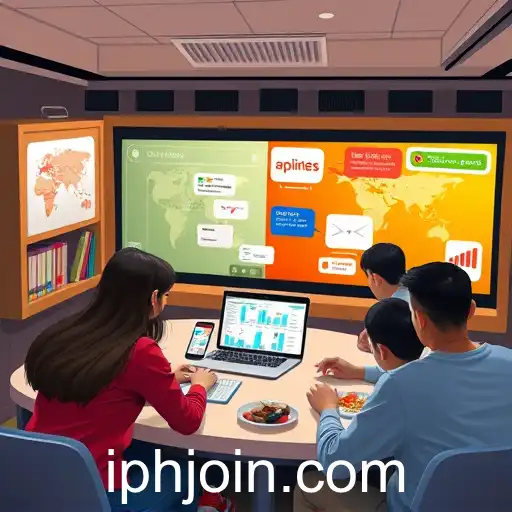
Exploring the rise of English language games and the impact of 'phjoin' on the digital learning landscape.

Explore how Phjoin is shaping the future of online gaming with new innovations and community engagement in 2025.

Exploring the impact of online platforms and games on English language learning in 2025.
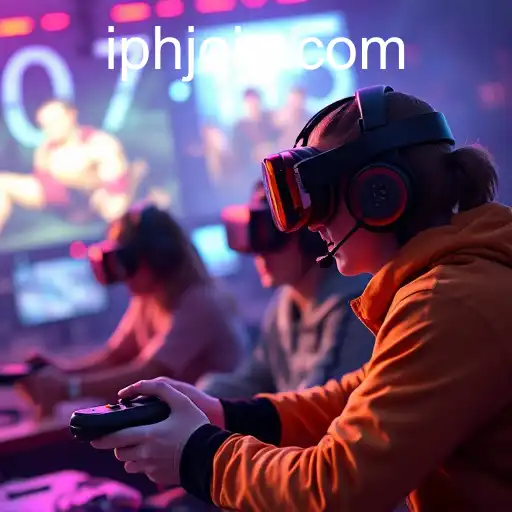
Exploring the developments and current state of online gaming platforms in 2026, with a focus on innovative platforms like those using the 'phjoin' system.

Exploring the intersection of AI and online gaming, focusing on the transformative effects on community dynamics and content creation.

Phjoin emerges as a revolutionary platform in the online gaming arena, offering a rich blend of entertainment and community engagement in 2025.
